
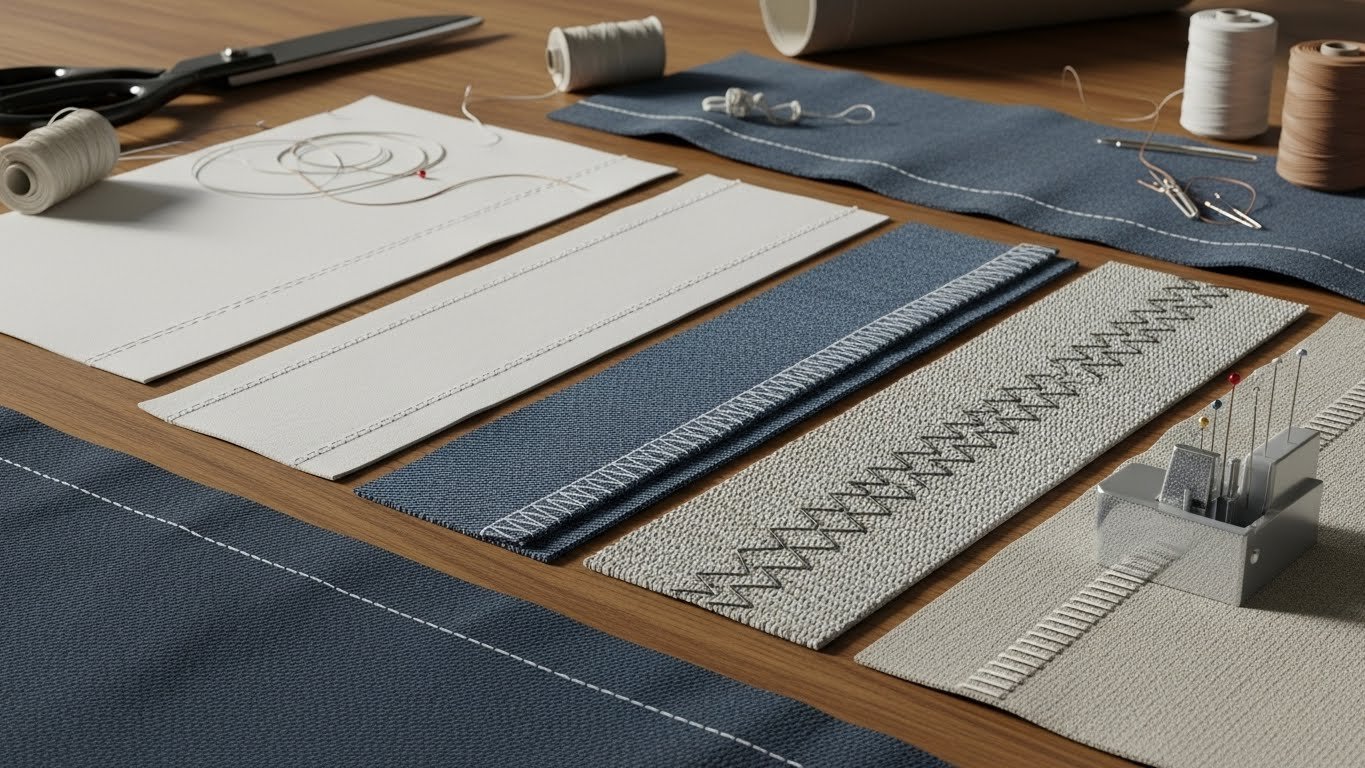
Have you ever wondered why some garments fall apart after a few washes while others last for years? The secret often lies in the seams—the nahttypen, as they’re known in German. Nahttypen refer to the various types of seams and stitches used in sewing to join fabrics securely. Whether you’re a beginner picking up a needle for the first time or an experienced sewist looking to refine your skills, understanding nahttypen is key to creating durable, professional-looking projects. In this comprehensive guide, we’ll explore everything from basic seam types to advanced techniques, helping you choose the right stitch for any fabric or design.
Introduction to Nahttypen
Sewing is more than just a hobby; it’s a craft that blends creativity with practicality. At the heart of it all are nahttypen, the building blocks that hold your creations together. Originating from the German word for “seam types,” nahttypen encompass a wide range of stitching methods designed for different purposes. From simple straight stitches that provide basic strength to intricate decorative ones that add flair, these techniques can make or break your sewing project.
Why dive into this topic? If you’ve ever struggled with puckered fabric or uneven hems, knowing your nahttypen can solve those issues. We’ll cover the essentials, drawing from common practices in sewing to give you a well-rounded view. By the end, you’ll feel confident tackling any pattern with the perfect seam choice.
What Are Nahttypen?
Nahttypen, literally translating to “seam types” in English, describe the different ways fabrics are joined using stitches. Each type serves a unique function, whether it’s to reinforce edges, prevent fraying, or enhance the aesthetic appeal of a garment. In sewing, seams aren’t just functional—they influence the drape, fit, and longevity of your work.
Think of nahttypen as the invisible heroes of your wardrobe. A basic plain seam might suffice for a quick tote bag, but a French seam could elevate a delicate blouse. These variations stem from centuries of textile evolution, adapting to new fabrics and machines. Today, with modern sewing tools, mastering nahttypen opens up endless possibilities for customization.
The Importance of Choosing the Right Seam Type
Why does the choice of nahttypen matter so much? For starters, the wrong seam can lead to weak spots that unravel over time, especially in high-stress areas like shoulders or inseams. On the flip side, the right one ensures durability, comfort, and a polished finish.
Consider the fabric’s properties: Stretchy knits demand flexible stitches like zigzags to avoid breaking, while sturdy denims benefit from flat-felled seams for extra strength. Beyond functionality, nahttypen affect aesthetics—decorative topstitching can turn a simple jacket into a statement piece. In professional settings, like fashion design or upholstery, selecting appropriate seam types also impacts production efficiency and cost. Ultimately, understanding this helps you avoid costly mistakes and create items that stand the test of time.
Common Types of Nahttypen (Seams and Stitches)
Let’s break down the most popular nahttypen. Each has its strengths, ideal uses, and potential drawbacks. We’ll explore them one by one, with examples to illustrate.
1. Plain Seam
The plain seam is the foundation of many nahttypen. It’s created by stitching two fabric pieces right sides together with a straight stitch, typically allowing a 5/8-inch seam allowance. Simple and versatile, it’s perfect for beginners and works well on woven fabrics like cotton or linen.
Pros: Quick to sew, easy to press open for a flat finish. Cons: Edges can fray without finishing. Use it for skirts, pillows, or any project where strength isn’t the top priority. For instance, in a basic apron, a plain seam holds the pockets securely without added bulk.
2. French Seam
A French seam encloses raw edges inside the seam itself, making it ideal for sheer or lightweight fabrics like chiffon or silk. To create it, sew wrong sides together first, trim the allowance, then flip and sew right sides together.
This nahttypen shines in garments where the inside matters, like unlined blouses. Pros: Neat, professional look with no fraying. Cons: Adds bulk, not suitable for thick materials. Imagine sewing a summer dress—the French seam keeps everything tidy and comfortable against the skin.
3. Flat-Felled Seam
Often seen in jeans and shirts, the flat-felled seam (or Kappnaht) involves folding one seam allowance over the other and topstitching for reinforcement. It’s incredibly strong and lies flat, reducing irritation.
Pros: Durable for heavy wear, like workwear or tents. Cons: Time-consuming and requires precision. Denim enthusiasts love this for its rugged appeal—think of the iconic double stitching on your favorite pair of pants.
4. Overlock Seam
Using a serger machine, the overlock seam trims and encases edges in one step, preventing fraying. It’s a staple in knitwear and activewear due to its stretchability.
Pros: Fast, professional finish. Cons: Requires special equipment. For t-shirts or leggings, this nahttypen ensures seams move with the body without popping.
5. Zigzag Seam
The zigzag stitch is a go-to for stretch fabrics or as a finish for raw edges. It allows fabric to expand without breaking the thread.
Pros: Flexible and easy on a standard machine. Cons: Can pucker if tension is off. Use it for jersey dresses or as a quick alternative to overlocking.
6. Bound Seam
In a bound seam, bias tape or fabric strips encase the raw edges for a clean, decorative finish. Common in high-end tailoring or quilts.
Pros: Adds color contrast and strength. Cons: Extra material needed. Picture a cozy blanket—the bound edges not only secure but also enhance the design.
7. Blind Hem Seam
For invisible hems on pants or curtains, the blind hem stitch catches just a few threads on the right side, hiding most of the work inside.
Pros: Discreet and professional. Cons: Tricky to master by hand. It’s essential for alterations where visibility matters.
8. Decorative Stitches
Beyond basics, decorative nahttypen like satin stitch or topstitch add flair. These are often used for embellishments on collars or cuffs.
Pros: Enhances creativity. Cons: Not always structural. In quilting, they can transform plain blocks into art.
Hand-Stitching vs. Machine-Stitching
Not all nahttypen are created equal when it comes to tools. Hand-stitching offers precision and portability—think backstitch for repairs or running stitch for basting. It’s ideal for delicate work or when a machine isn’t available.
Machine-stitching, on the other hand, provides speed and consistency. Straight stitches for seams, zigzags for edges—modern machines even have built-in decorative options. The choice depends on your project: Hand for custom details, machine for efficiency. Blending both, like hand-finishing a machine-sewn garment, often yields the best results.
Matching Seam Types to Different Fabrics
Fabric type dictates your nahttypen choice. For cottons and linens (stable wovens), plain or French seams work well. Denims and canvases need robust flat-felled or topstitched options.
Stretchy knits? Opt for zigzag or overlock to maintain elasticity. Delicates like silk require enclosed seams to avoid snags. Always test on scraps—factors like weight, weave, and washability influence decisions. For example, waterproof fabrics might need sealed seams for outdoor gear.
Step-by-Step Techniques for Sewing Popular Seams
Ready to try? Here’s how to sew a few key nahttypen.
For a plain seam: Pin right sides together, stitch 5/8 inch from edge, press open. Add zigzag for finishing.
French seam: Stitch wrong sides at 1/4 inch, trim, flip to right sides, stitch 3/8 inch to enclose.
Flat-felled: Stitch right sides, trim one allowance, fold over, topstitch twice.
Practice on muslin first—adjust tension and stitch length as needed. Visual aids, like diagrams, can help, but hands-on is best.
Common Mistakes and How to Avoid Them
Even pros slip up with nahttypen. Common pitfalls include mismatched tension (causing puckers)—fix by testing settings. Using the wrong needle can break threads; match it to fabric (e.g., ballpoint for knits).
Skipping seam finishes leads to fraying—always overlock or pink edges. Not pre-washing fabrics causes shrinkage post-sew. Ignoring grain lines warps seams. Avoid these by planning ahead, using quality tools, and double-checking measurements.
Tips for Mastering Nahttypen
Start simple: Build skills with basic projects like pillows. Invest in good threads and needles—they make a difference.
Practice consistency: Uniform stitch lengths look pro. Learn to press seams—ironing sets them flat.
Experiment: Try new nahttypen on scraps to expand your repertoire. Join sewing communities for advice. With time, you’ll intuitively know what works.
Advanced Applications and Innovations
In industry, nahttypen evolve with tech. Laser-cut seams for precision in aerospace textiles, or ultrasonic welding for seamlessness in medical gear.
Sustainability drives innovations like biodegradable threads or minimal-waste seams. In fashion, 3D-printed stitches push boundaries. For home sewists, smart machines with auto-adjusting nahttypen simplify complex tasks.
Conclusion
Mastering nahttypen transforms your sewing from amateur to artisan. From plain seams for everyday use to decorative ones for creative flair, these techniques are the backbone of durable, beautiful projects. Remember, the key is practice and experimentation—start with what you know and build from there. Whether crafting clothes, home decor, or gifts, the right seam type elevates everything. Dive in, and watch your skills stitch together seamlessly.
Explore More Topic:
FAQ
What does nahttypen mean in sewing?
Nahttypen is the German term for types of seams or stitches used to join fabrics. It covers various methods like plain, French, and zigzag seams, each suited for different fabrics and purposes.
Which nahttypen is best for beginners?
Beginners should start with the plain seam—it’s straightforward and versatile. Once comfortable, try zigzag for edges or French for enclosed finishes to build confidence.
How do I choose the right nahttypen for stretchy fabrics?
For stretchy materials like knits, use flexible nahttypen such as zigzag or overlock seams. These allow movement without breaking, ensuring comfort and longevity in activewear or jerseys.
Can nahttypen affect the durability of a garment?
Absolutely—strong nahttypen like flat-felled seams enhance durability in high-wear areas, while weak ones can lead to unraveling. Always match the seam type to the fabric and intended use for best results.