
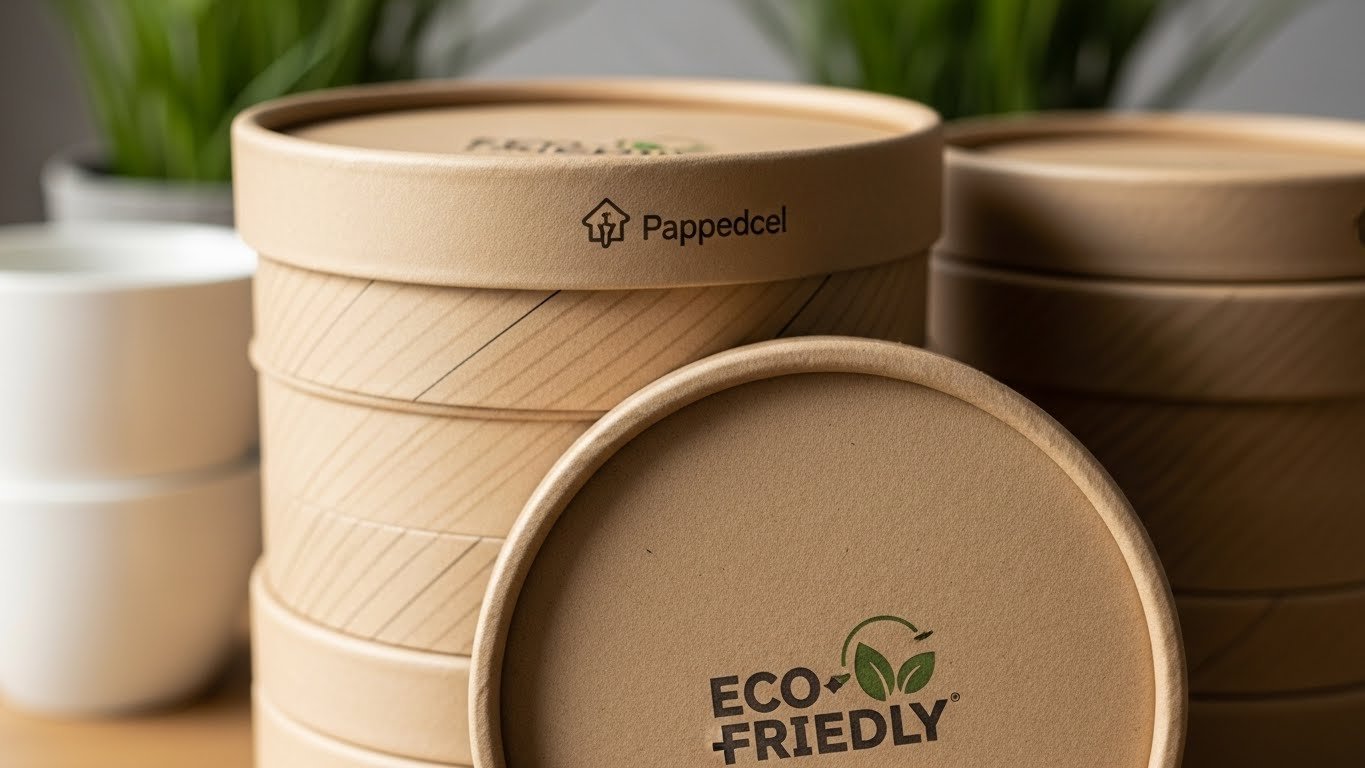
Have you noticed cardboard lids appearing on your takeaway coffee cups lately? That simple change represents a major shift in packaging sustainability—meet the pappedeckel. This German innovation, combining “Pappe” (cardboard) and “Deckel” (lid), is transforming how businesses approach environmental responsibility. From coffee shops to food delivery services, pappedeckel is proving that small changes can create massive environmental impact while maintaining functionality and affordability.
What Is Pappedeckel? Understanding the Basics
Pappedeckel refers to a cardboard or paperboard lid designed to cover containers, cups, and packaging. Unlike traditional plastic lids that contribute to environmental pollution, these biodegradable alternatives offer the same protective functionality without the ecological footprint.
The German Origin of Pappedeckel
The term originates from German-speaking countries where environmental consciousness runs deep. Germany has long been a pioneer in recycling initiatives, making it the perfect birthplace for this sustainable packaging solution. The concept emerged from simple necessity: creating protective covers for beverages and food items that wouldn’t harm the environment.
Material Composition and Construction
Most pappedeckel products are manufactured from compressed paper fibers, often sourced from recycled materials or sustainably managed forests. The production process involves several key steps:
- Material sourcing: Recycled paper fibers or FSC-certified wood pulp
- Pulping and pressing: Fibers are processed into sturdy sheets
- Die-cutting: Precision machinery shapes sheets into specific lid forms
- Optional coating: Biodegradable coatings enhance moisture resistance
- Printing: Eco-friendly inks add branding or designs
Why Pappedeckel Matters: Environmental Benefits Explained
The environmental crisis caused by plastic waste demands immediate action. Single-use plastic lids contribute significantly to ocean pollution and landfill accumulation. Pappedeckel addresses these concerns through multiple sustainability advantages.
1. Biodegradability and Decomposition
Unlike plastic that persists for centuries, cardboard lids naturally decompose within months. This rapid breakdown eliminates long-term environmental damage, making pappedeckel a responsible choice for conscious consumers and businesses.
2. Recyclability and Circular Economy
Paperboard lids integrate seamlessly into existing recycling infrastructure. They can be processed alongside other paper products, creating a circular economy where materials continuously return to production cycles. This reduces demand for virgin materials and conserves natural resources.
3. Lower Carbon Footprint
Manufacturing cardboard produces significantly fewer greenhouse gas emissions compared to petroleum-based plastics. Research indicates that replacing even a small percentage of plastic lids with pappedeckel alternatives could eliminate thousands of tonnes of plastic waste annually.
4. Resource Efficiency
Many pappedeckel products utilize post-consumer recycled content, transforming waste into valuable packaging material. This approach minimizes environmental impact while providing cost-effective solutions for manufacturers.
Common Applications and Uses of Pappedeckel
The versatility of cardboard lids has enabled widespread adoption across numerous industries. Understanding these applications reveals how pappedeckel integrates into daily life.
1. Food and Beverage Industry
Coffee shops, cafés, and juice bars have embraced pappedeckel as their primary lid solution. These establishments recognize that consumers increasingly prioritize sustainability when choosing where to spend money. Cardboard lids maintain beverage temperature while demonstrating environmental commitment.
Takeaway containers for soups, salads, and prepared meals frequently feature pappedeckel covers. The material provides adequate protection during transport while ensuring food safety standards are met.
2. Dairy and Dessert Packaging
Yogurt containers, ice cream tubs, and dessert cups commonly use paperboard lids. These applications require materials that can withstand refrigeration while maintaining seal integrity—requirements that modern pappedeckel easily fulfills.
3. Event and Festival Service
Outdoor events, festivals, and large gatherings generate enormous waste volumes. Pappedeckel offers event organizers an eco-friendly solution that reduces environmental impact while meeting practical needs for beverage and food service.
4. Retail and Consumer Goods
Beyond food service, pappedeckel appears in cosmetic packaging, pharmaceutical containers, and premium product presentations. High-end brands use textured, embossed cardboard lids to enhance unboxing experiences while maintaining sustainability credentials.
5. Shipping and Logistics
E-commerce packaging incorporates pappedeckel as protective layers, product dividers, and lid inserts. These applications provide shock resistance while keeping packaging lightweight and recyclable.
Advantages of Choosing Pappedeckel Over Plastic Lids
Businesses and consumers who switch to cardboard lids discover numerous benefits beyond environmental impact.
1. Cost-Effectiveness
While initial production costs may vary, pappedeckel often proves economical long-term. Lightweight design reduces shipping expenses, and compliance with plastic ban regulations avoids potential fines or market restrictions.
2. Brand Enhancement
Modern consumers actively seek brands demonstrating genuine environmental responsibility. Offering pappedeckel packaging communicates values alignment, strengthening customer loyalty and attracting eco-conscious demographics.
3. Customization Opportunities
Cardboard surfaces accept printing more readily than plastic, enabling creative branding possibilities. Companies can showcase logos, sustainability messages, or artistic designs that enhance brand recognition and customer engagement.
4. Regulatory Compliance
Governments worldwide are implementing plastic restrictions and bans. Pappedeckel provides businesses with compliant alternatives that meet evolving regulations without requiring major operational changes.
5. Customer Satisfaction
Many consumers prefer the natural feel and appearance of cardboard over plastic. The material choice demonstrates corporate responsibility, contributing to positive brand perception and customer satisfaction.
Manufacturing Process: How Pappedeckel Is Made
Understanding production methods reveals the sophistication behind seemingly simple cardboard lids.
1. Raw Material Selection
Manufacturers prioritize sustainable sourcing, selecting recycled paper fibers or virgin pulp from responsibly managed forests. FSC certification ensures environmental standards are maintained throughout supply chains.
2. Pulping and Sheet Formation
Selected materials undergo pulping processes that break down fibers into workable consistency. These fibers are then layered and compressed under high pressure, creating dense, sturdy sheets with desired thickness specifications.
3. Precision Die-Cutting
Industrial die-cutting machinery shapes cardboard sheets into specific lid forms. This process ensures uniformity, enabling lids to fit containers precisely while maintaining structural integrity.
4. Coating Applications
Some applications require moisture-resistant properties. Manufacturers apply thin biodegradable coatings—often plant-based or starch-derived—that enhance water resistance without compromising recyclability or compostability.
5. Quality Control and Finishing
Finished pappedeckel products undergo rigorous inspection ensuring they meet durability, safety, and performance standards. Custom printing adds branding elements using eco-friendly inks before packaging and distribution.
Challenges and Limitations of Pappedeckel
Despite numerous advantages, cardboard lids face certain obstacles that ongoing innovation continues addressing.
1. Moisture Resistance Concerns
Without proper coating, cardboard absorbs moisture quickly, potentially weakening structural integrity. However, advances in biodegradable coating technology are rapidly solving this challenge while maintaining environmental credentials.
2. Durability Perceptions
Some consumers perceive cardboard as less durable than plastic. Education about modern pappedeckel capabilities and quality improvements helps overcome these misconceptions.
3. Cost Considerations
Specialized coatings and advanced designs may increase production costs compared to conventional plastic lids. However, economies of scale and technological advancement continue reducing this cost gap.
4. Storage Requirements
Paperboard requires controlled storage conditions to prevent warping or moisture damage. Businesses must maintain appropriate warehousing environments, which may require minor operational adjustments.
Future Trends: The Evolution of Pappedeckel Technology
Innovation continues driving pappedeckel development, promising even greater sustainability and functionality.
1. Smart Packaging Integration
Future cardboard lids may incorporate QR codes, NFC chips, or augmented reality features. These technologies can provide consumers with sustainability information, brand stories, or interactive experiences that enhance engagement.
2. Advanced Biodegradable Composites
Researchers are developing hybrid materials combining cardboard with minimal biodegradable reinforcements. These composites maximize strength and moisture resistance while maintaining complete compostability.
3. Edible and Plant-Based Alternatives
Emerging technologies explore edible lids made from grain-based materials or innovative plant compounds. These cutting-edge solutions could eliminate packaging waste entirely.
4. Standardization and Modular Systems
Industry-wide size standardization would reduce production costs, increase interoperability, and simplify adoption for businesses transitioning from plastic alternatives.
5. Global Market Expansion
While European markets lead pappedeckel adoption, Asia, North America, and developing economies show increasing interest. Global sustainability regulations will accelerate this expansion, making cardboard lids standard worldwide.
How Businesses Can Implement Pappedeckel Solutions
Transitioning to sustainable packaging requires strategic planning and stakeholder engagement.
1. Assess Current Packaging Needs
Evaluate existing lid requirements, including size specifications, moisture resistance needs, and branding opportunities. Understanding these parameters ensures smooth transition to pappedeckel alternatives.
2. Partner with Sustainable Suppliers
Select manufacturers committed to environmental responsibility, preferably those offering FSC-certified materials and transparent supply chains. Building relationships with reliable suppliers ensures consistent quality and availability.
3. Educate Customers
Communicate sustainability initiatives clearly. Customers appreciate transparency about environmental efforts and often become brand advocates when they understand the positive impact of packaging choices.
5. Test and Iterate
Begin with pilot programs testing pappedeckel performance in real-world conditions. Gather feedback from staff and customers, making adjustments before full-scale implementation.
6. Monitor and Measure Impact
Track metrics including waste reduction, customer feedback, and cost savings. Demonstrating measurable environmental impact strengthens brand credibility and informs future sustainability strategies.
Pappedeckel in Popular Culture and Creative Applications
Beyond commercial use, cardboard lids inspire creative communities and cultural movements.
1. DIY and Craft Projects
Artists and makers repurpose pappedeckel for coasters, gift tags, miniature canvases, and decorative elements. This creative reuse extends product lifecycle while inspiring sustainable thinking.
2. Educational Tools
Schools and educational programs use cardboard lids as teaching materials, demonstrating recycling principles and sustainable design concepts to young learners.
3. Event Branding and Marketing
Companies distribute custom-printed pappedeckel as eco-friendly promotional items, combining functionality with environmental messaging that resonates with target audiences.
Comparing Pappedeckel to Other Sustainable Lid Options
Understanding how cardboard lids compare to alternatives helps businesses make informed decisions.
1. Pappedeckel vs. Bioplastic Lids
While bioplastics offer some environmental advantages, they often require specific composting conditions unavailable in standard facilities. Pappedeckel integrates into existing recycling infrastructure more easily.
2. Pappedeckel vs. Reusable Lids
Reusable options reduce waste but require cleaning infrastructure and customer participation. Pappedeckel provides single-use convenience while maintaining environmental responsibility.
3. Pappedeckel vs. Edible Alternatives
Edible packaging represents ultimate sustainability but faces scalability challenges and higher costs. Pappedeckel offers practical middle ground between environmental impact and commercial viability.
Consumer Perspectives: What People Think About Cardboard Lids
Understanding consumer attitudes reveals why pappedeckel gains increasing acceptance.
1. Environmental Values Alignment
Modern consumers actively seek products reflecting personal values. Businesses using pappedeckel demonstrate shared commitment to environmental stewardship, strengthening customer relationships.
2. Practical Functionality
Users appreciate that cardboard lids perform comparably to plastic alternatives while offering guilt-free disposal. This combination of functionality and sustainability drives consumer preference.
3. Aesthetic Appeal
Many people find cardboard’s natural appearance more attractive than plastic. The material choice communicates quality and environmental consciousness simultaneously.
Regional Adoption: Pappedeckel Around the World
Different regions approach cardboard lid adoption with varying strategies and timelines.
1. European Leadership
Germany, France, and other European nations lead pappedeckel adoption through stringent plastic regulations and strong environmental awareness. These markets demonstrate successful large-scale implementation.
2. North American Growth
United States and Canadian businesses increasingly embrace cardboard lids, particularly in progressive urban markets. Zero-waste cafés and environmentally focused establishments pioneer adoption.
3. Asia-Pacific Potential
Emerging markets show growing interest in sustainable packaging solutions. As environmental regulations strengthen, pappedeckel adoption will likely accelerate throughout Asia-Pacific regions.
4. Global Sustainability Movement
Worldwide commitment to reducing plastic waste creates favorable conditions for pappedeckel expansion. International cooperation and knowledge sharing will facilitate global adoption.
Conclusion
Pappedeckel represents more than simple packaging innovation—it embodies a fundamental shift toward environmental responsibility. These cardboard lids demonstrate that sustainable solutions can be practical, affordable, and effective. From coffee shops to corporate offices, pappedeckel is proving that small changes create significant environmental impact.
As technology advances and awareness grows, cardboard lids will become increasingly sophisticated and widespread. Businesses adopting pappedeckel position themselves as sustainability leaders while meeting growing consumer demand for eco-friendly practices. The humble cardboard lid carries powerful potential to transform packaging industries worldwide.
Whether you’re a business owner seeking sustainable alternatives or a consumer wanting to make responsible choices, pappedeckel offers compelling solutions. This simple innovation reminds us that environmental progress often begins with seemingly small decisions that collectively create meaningful change.
Frequently Asked Questions About Pappedeckel
What materials are used to make pappedeckel?
Pappedeckel is primarily manufactured from compressed paper fibers sourced from recycled materials or sustainably managed forests with FSC certification. Many products include thin biodegradable coatings made from plant-based or starch-derived materials that enhance moisture resistance while maintaining compostability and recyclability.
Can pappedeckel completely replace plastic lids?
Yes, in many applications pappedeckel successfully replaces plastic lids, particularly for hot beverages, takeaway food containers, and retail packaging. Ongoing innovations in biodegradable coatings and material science continue expanding potential applications, making cardboard lids viable for increasingly diverse uses.
How does pappedeckel benefit the environment?
Cardboard lids offer multiple environmental advantages including biodegradability, recyclability, lower carbon emissions during production, and integration into circular economy systems. Unlike plastic that persists for centuries, pappedeckel naturally decomposes within months while supporting existing recycling infrastructure and reducing demand for petroleum-based materials.
Is pappedeckel more expensive than plastic lids?
Initial costs may vary depending on design complexity and coating requirements, but pappedeckel often proves economical long-term through reduced shipping expenses, regulatory compliance benefits, and enhanced brand value. As production scales and technology advances, cost differences continue narrowing between cardboard and plastic alternatives.