
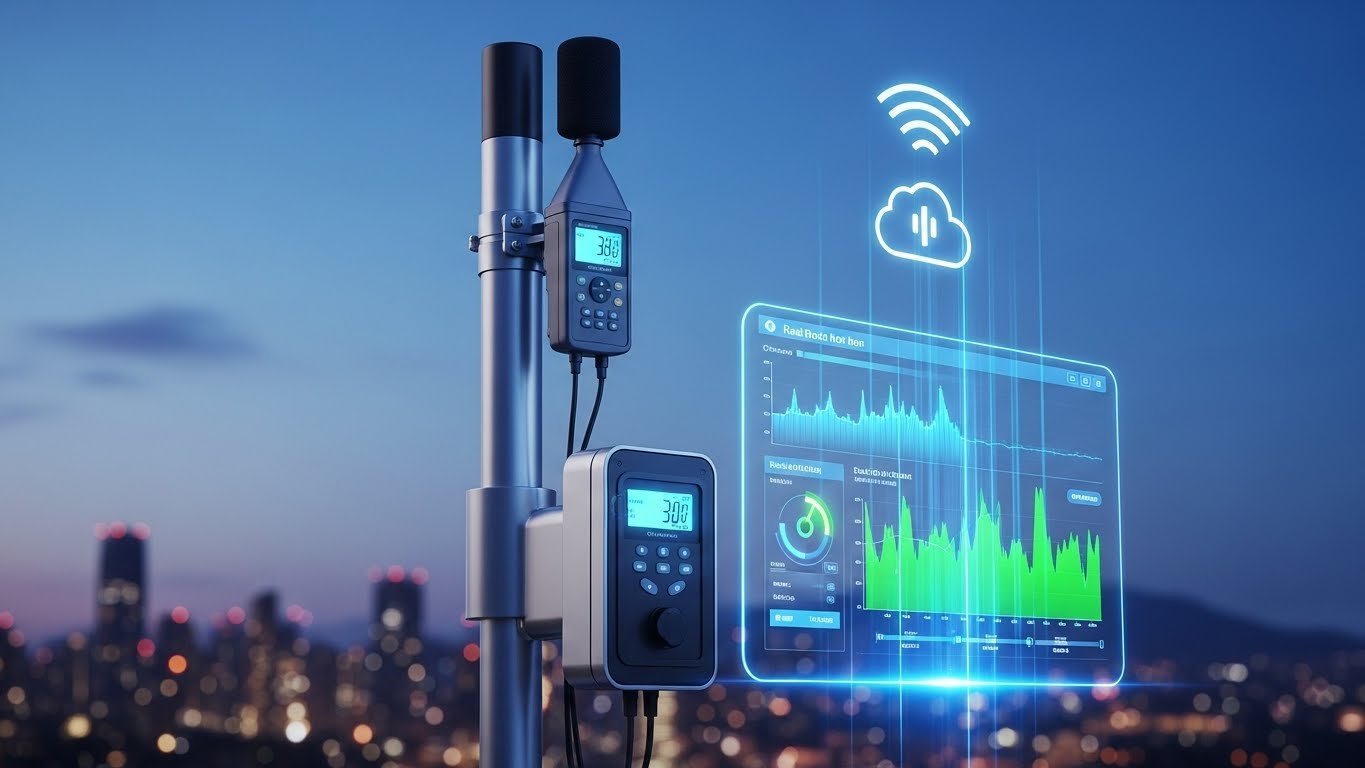
Have you ever wondered how cities track noise pollution across dozens or even hundreds of locations simultaneously? The answer lies in noisecloud technology—an innovative solution that’s transforming how we monitor, analyze, and control environmental noise in our communities.
Noisecloud represents the cutting edge of environmental monitoring, combining cloud computing power with advanced sound measurement capabilities. This comprehensive guide explores everything you need to know about cloud-based noise monitoring systems, from basic functionality to real-world applications that are making our environments quieter and healthier.
What is NoiseCloud Technology?
NoiseCloud is a cloud-based environmental noise monitoring system that enables real-time tracking and analysis of sound levels across multiple locations. Unlike traditional noise measurement methods that require manual data collection, noisecloud technology automatically streams acoustic data to secure cloud servers, where it’s processed, analyzed, and made accessible through user-friendly interfaces.
The system consists of several integrated components working together:
Sound Level Meters: Professional-grade devices that accurately measure environmental noise levels according to international standards. These calibrated instruments capture comprehensive acoustic data including LAeq, LAmax, and various frequency measurements.
Remote Monitoring Devices: Connectivity hardware that transmits measurement data to cloud platforms via cellular networks (2G/3G/4G), WiFi, or Ethernet connections. These devices require only a power source and internet connectivity to function continuously.
Cloud Platform: Secure servers that receive, store, and process noise measurement data. The platform provides real-time access to live measurements and historical data through web browsers and mobile applications.
User Interface: Dashboard and reporting tools that display noise measurements in multiple formats including charts, graphs, spectrograms, and interactive maps. Users can access data from any device with internet connectivity.
How Does NoiseCloud Monitoring Work?
The operational workflow of noisecloud systems follows a straightforward yet sophisticated process. Sound level meters positioned at monitoring locations continuously capture environmental noise data. Connected monitoring devices read these measurements in real-time and establish secure connections to cloud servers.
Data transmission occurs automatically at predetermined intervals, often every second when users are actively viewing live displays. The cloud platform receives this information and processes it according to configured parameters. Users access the platform through web browsers or dedicated mobile applications to view live sound levels, generate reports, and manage alert settings.
When noise levels exceed predetermined thresholds, the system triggers automated alerts via email or SMS notifications. This immediate response capability allows stakeholders to address potential violations before they escalate into significant problems. The system stores historical data securely, enabling long-term trend analysis and compliance reporting.
Key Benefits of NoiseCloud Systems
Organizations implementing noisecloud technology experience substantial advantages across operational, financial, and environmental dimensions. The remote monitoring capability eliminates the need for personnel to physically visit measurement locations, significantly reducing maintenance costs and improving operational efficiency.
Real-time data access enables immediate response to noise events rather than discovering issues days or weeks later during manual data retrieval. This proactive approach prevents violations and demonstrates commitment to environmental compliance. Automated data collection also eliminates human error and ensures consistent measurement standards across all monitoring locations.
The scalability of cloud-based systems allows organizations to expand monitoring coverage without proportional increases in management complexity. Users can monitor one sound level meter or hundreds through the same intuitive interface. Multiple stakeholders can access the same data simultaneously with configurable permission levels, facilitating collaboration between consultants, contractors, authorities, and affected communities.
Cloud storage provides automatic backup protection and eliminates concerns about data loss from equipment failure. Historical data remains accessible for years, supporting long-term environmental studies and compliance documentation. The system handles increased data loads automatically while maintaining consistent performance standards.
Essential Features of Modern NoiseCloud Platforms
Contemporary noisecloud platforms incorporate sophisticated capabilities that extend far beyond basic noise measurement. Live display functionality shows current sound levels updated every second, with visual indicators when measurements approach or exceed threshold values. This real-time visibility allows immediate awareness of changing conditions.
Comprehensive reporting tools generate detailed analysis over daily, weekly, monthly, or custom periods. Reports clearly identify quieter and noisier times, helping stakeholders understand patterns and trends. Users can export data in multiple formats including CSV and PDF for audits, compliance documentation, or further analysis.
Advanced platforms offer frequency analysis capabilities including one-third octave band measurements that reveal the spectral characteristics of noise sources. This detailed information helps identify specific equipment or activities contributing to overall noise levels. Some systems integrate audio recording functionality, capturing sound clips when measurement thresholds are exceeded to help identify noise sources.
Floor plan views and geographic mapping features provide spatial context for noise measurements. Users can visualize how sound levels vary across their sites, identifying problematic areas that require attention. This visual approach makes complex data more accessible to stakeholders with varying technical backgrounds.
Customizable alert systems notify designated personnel when specific conditions occur. Users configure threshold values, monitoring schedules, and notification methods to match their operational requirements. The flexibility to set different parameters for day and night periods accommodates varying regulatory standards.
Applications Across Industries
Manufacturing facilities use noisecloud systems to maintain optimal working conditions and ensure compliance with occupational safety regulations. Continuous monitoring helps identify equipment operating outside normal parameters, enabling predictive maintenance that prevents costly breakdowns. Studies show manufacturing operations implementing these systems report productivity increases averaging 12%.
Construction sites benefit from automated monitoring that demonstrates compliance with local noise ordinances. Real-time data helps project managers schedule loud activities during permitted hours and implement mitigation measures when necessary. The objective measurement data protects contractors from unsubstantiated complaints while ensuring legitimate concerns receive appropriate attention.
Transportation infrastructure including highways, railways, and airports requires ongoing noise monitoring to satisfy regulatory requirements and address community concerns. Noisecloud systems track how traffic patterns, vehicle types, and operational changes affect surrounding areas. This information guides decisions about noise barriers, traffic management, and community outreach programs.
Urban planning departments use environmental sound data to inform zoning decisions, park locations, and residential development approvals. Understanding existing noise conditions helps planners design quieter neighborhoods and protect sensitive areas like schools and hospitals from excessive noise exposure. Cities implementing comprehensive monitoring programs report average noise reductions of 15-25% over five-year periods.
Healthcare facilities monitor acoustic conditions in patient care areas to support healing environments. Excessive noise in hospitals correlates with slower patient recovery and increased stress for medical staff. Continuous monitoring helps facility managers identify and address problematic noise sources, contributing to better health outcomes.
Educational institutions track noise levels in classrooms, libraries, and common areas to optimize learning environments. Research demonstrates that elevated background noise significantly impairs student concentration and academic performance. Real-time monitoring allows staff to address problems immediately rather than waiting for complaints.
Technical Specifications and Standards
Professional noisecloud systems adhere to international measurement standards ensuring data accuracy and consistency. Class 1 sound level meters provide the highest precision, with measurement accuracy within ±0.1 decibels across all frequency ranges. This precision level satisfies requirements for regulatory compliance and legal proceedings.
Weatherproof enclosures protect outdoor monitoring equipment from environmental conditions including rain, temperature extremes, and dust. Quality systems operate reliably in harsh conditions from -40°C to +70°C. Windscreens on microphones reduce the influence of air movement on measurements without significantly affecting frequency response.
Power supply options include AC mains power, solar panels with battery backup, and Power over Ethernet (PoE) for flexible installation. Solar-powered systems enable deployment in remote locations without electrical infrastructure. Battery backup ensures continuous operation during power outages.
Communication methods vary based on site conditions and requirements. Cellular connectivity using 2G/3G/4G networks provides flexibility for locations without wired internet access. WiFi and Ethernet connections offer reliable alternatives where network infrastructure exists. Redundant communication paths ensure data transmission continues even if the primary connection fails.
Data Security and Privacy Considerations
Cloud-based environmental monitoring systems implement multiple security layers to protect sensitive measurement data. Encrypted data transmission prevents interception during transfer from monitoring equipment to cloud servers. Secure authentication protocols ensure only authorized users access the platform.
User permission management allows administrators to configure different access levels for team members. Some users might view live data and generate reports while others have full administrative control over system configuration and user accounts. This granular control protects data integrity while facilitating appropriate access.
Automatic backup procedures ensure data preservation even in the event of hardware failures or cyber incidents. Geographic redundancy distributes data across multiple data centers, protecting against regional outages. Regular security audits and compliance certifications demonstrate commitment to data protection best practices.
Privacy concerns receive particular attention when monitoring residential or mixed-use areas. Audio recording features, when included, should activate only during threshold exceedances to limit unnecessary data collection. Clear policies about data retention, sharing, and public access help maintain community trust.
Cost Considerations and Return on Investment
Implementing noisecloud technology involves several cost components. Initial equipment purchases include sound level meters, connectivity hardware, and installation accessories. Professional-grade Class 1 equipment represents a significant investment, though many suppliers offer rental options for shorter-term projects.
Cloud platform subscriptions typically charge monthly fees based on the number of monitoring locations and desired features. Basic packages might support a few sound level meters with standard reporting, while enterprise plans accommodate hundreds of devices with advanced analytics and unlimited user accounts. Organizations should carefully evaluate which features their applications require to avoid paying for unused capabilities.
Installation costs vary depending on site complexity, mounting requirements, and power supply arrangements. Simple installations might require only a few hours of labor, while complex multi-location networks need professional planning and implementation. Solar power systems add upfront costs but eliminate ongoing electricity expenses and enable deployment flexibility.
The return on investment from noisecloud systems extends beyond direct cost savings. Automated monitoring reduces labor requirements compared to manual measurement programs. Early detection of equipment problems prevents expensive failures and production interruptions. Demonstrating environmental compliance protects organizations from fines, legal challenges, and reputational damage.
Organizations report that the data-driven approach to noise management reduces complaints by an average of 60%. This improvement saves time and resources previously spent investigating and responding to concerns. Better community relations support smoother project approvals and operations.
Implementation Best Practices
Successful noisecloud deployments begin with clear objectives. Organizations should identify specific questions their monitoring program needs to answer. Are you documenting existing conditions, demonstrating compliance with regulations, or identifying improvement opportunities? Clear goals guide equipment selection, site placement, and configuration decisions.
Site selection requires careful consideration of measurement objectives and acoustic principles. Microphones should be positioned away from reflective surfaces that could affect measurements. Typical mounting heights range from 1.5 to 4 meters above ground level. Multiple monitoring locations provide better coverage but increase costs and complexity.
Equipment calibration ensures measurement accuracy and regulatory compliance. Sound level meters should receive annual calibration from accredited laboratories. Field calibration checks before and after monitoring periods verify that equipment maintains accuracy. Documentation of calibration procedures and results supports data validity in regulatory or legal contexts.
System configuration should align with applicable noise regulations and standards. Measurement parameters, averaging periods, and reporting formats often follow specific regulatory requirements. Configuring systems correctly from the start avoids the need to reprocess data later.
User training ensures team members can effectively utilize platform capabilities. Staff should understand how to access live data, generate reports, configure alerts, and troubleshoot common issues. Vendor-provided training and ongoing technical support facilitate successful long-term operations.
Integrating NoiseCloud with Other Environmental Monitoring
Modern environmental monitoring increasingly takes a holistic approach that considers multiple factors simultaneously. Advanced noisecloud platforms support integration with complementary sensors measuring air quality, weather conditions, and vibration levels. This integrated approach provides more complete understanding of environmental conditions and their interrelationships.
Air quality sensors measuring particulate matter (PM2.5, PM10), gases, and volatile organic compounds combine with noise data to reveal patterns between different pollution types. For example, traffic creates both air pollution and noise, so monitoring both parameters helps evaluate the full impact of transportation on local environments.
Weather sensors tracking temperature, humidity, wind speed, and precipitation provide context for interpreting noise measurements. Wind conditions significantly affect outdoor sound propagation and measurement accuracy. Precipitation creates ambient noise that might mask other sources. Understanding weather conditions helps analysts separate actual changes in noise sources from environmental effects on measurements.
Vibration monitoring complements noise measurement in applications where ground-borne vibration represents a concern alongside airborne sound. Construction sites, railways, and industrial facilities might affect surrounding areas through both pathways. Integrated monitoring captures the complete picture of mechanical disturbance.
Future Trends in NoiseCloud Technology
Artificial intelligence and machine learning capabilities are transforming noisecloud platforms from measurement tools into intelligent analysis systems. Advanced algorithms automatically classify noise sources, distinguishing between traffic, construction equipment, industrial machinery, and other contributors. This source identification eliminates tedious manual analysis and provides more detailed understanding of noise environments.
Predictive analytics use historical patterns to forecast future noise levels based on scheduled activities, weather forecasts, and other variables. This forward-looking capability helps organizations plan operations that minimize community impact. Automated recommendations suggest optimal timing for potentially noisy activities.
Edge computing brings processing capabilities directly to monitoring equipment, enabling sophisticated analysis before data reaches cloud servers. This distributed approach reduces bandwidth requirements and enables faster response to local conditions. Edge devices might automatically adjust measurement parameters or trigger local control systems based on real-time conditions.
Internet of Things (IoT) integration connects noise monitoring with building automation, traffic management, and smart city infrastructure. Connected systems enable automated responses to noise conditions, such as adjusting HVAC systems, redirecting traffic, or sending notifications to equipment operators. This active control approach prevents problems rather than merely documenting them.
Improved sensor technology continues to enhance measurement capabilities while reducing equipment costs and power consumption. Microelectromechanical systems (MEMS) microphones provide Class 1 accuracy in compact, affordable packages. Lower costs enable denser monitoring networks that provide higher spatial resolution for understanding noise distribution.
Regulatory Compliance and Reporting
Environmental noise regulations vary by jurisdiction but typically establish maximum permissible noise levels for different zones and time periods. Industrial areas might allow 70 dBA during daytime hours, while residential zones might be limited to 55 dBA during the day and 45 dBA at night. Noisecloud systems help organizations demonstrate compliance through objective, continuous measurement.
Regulatory reports often require specific measurement methods, averaging periods, and presentation formats. Quality noisecloud platforms generate compliant reports directly from raw measurement data, eliminating manual calculations and formatting. Automated reporting saves time while ensuring consistency and accuracy.
Compliance documentation should include equipment calibration certificates, monitoring location descriptions, measurement parameters, and quality assurance procedures. Complete documentation supports data validity if questions arise during regulatory review or legal proceedings. Cloud-based storage ensures this supporting information remains accessible long-term.
Public reporting requirements increasingly demand transparency about environmental conditions. Many noisecloud platforms include public portal capabilities that allow community members to view current noise levels and historical trends. This transparency builds trust and demonstrates organizational commitment to environmental responsibility.
Common Challenges and Solutions
Internet connectivity issues can interrupt data transmission from monitoring equipment to cloud servers. Quality systems address this concern by storing measurements locally for extended periods. When connectivity returns, buffered data uploads automatically, ensuring complete records despite temporary outages. Redundant communication options provide backup paths if the primary connection fails.
Power supply reliability affects continuous monitoring programs. Solar power systems with adequate battery capacity maintain operations through multiple cloudy days. Backup generators or uninterruptible power supplies (UPS) protect critical monitoring locations against grid failures. Power consumption monitoring alerts administrators to equipment problems before batteries deplete completely.
Vandalism and theft threaten exposed monitoring equipment, particularly in unsecured public areas. Protective enclosures, discrete mounting locations, and anti-theft hardware reduce vulnerability. Some organizations use less expensive equipment in high-risk locations, accepting occasional losses rather than attempting to secure every installation completely.
False alarms from wind, rain, or other natural sounds can overwhelm notification systems and reduce user confidence. Advanced algorithms distinguish between environmental sounds and actual noise sources requiring attention. Adaptive threshold systems learn normal patterns and alert only when genuinely unusual conditions occur.
Choosing the Right NoiseCloud Solution
Selecting appropriate noisecloud technology requires evaluating several factors. Measurement accuracy requirements depend on intended uses—regulatory compliance typically demands Class 1 equipment, while screening studies might accept Class 2 specifications. Organizations should verify that equipment meets applicable standards for their jurisdiction.
Monitoring duration affects equipment selection and configuration. Short-term projects lasting days or weeks might use rental equipment with basic reporting features. Permanent installations require weatherproof construction, reliable power supplies, and comprehensive long-term data management capabilities.
Number and distribution of monitoring locations influences system architecture decisions. Single-location monitoring might use standalone equipment with simple cloud connectivity. Multi-location networks benefit from centralized management platforms that provide unified views across all sites.
Budget constraints require balancing capability with cost. Organizations should identify truly essential features rather than paying for advanced capabilities they won’t use. Starting with a smaller system and expanding as needs and budgets allow often proves more practical than attempting to implement comprehensive coverage immediately.
Vendor support and service quality significantly affect long-term satisfaction. Responsive technical support helps resolve issues quickly, minimizing downtime and data gaps. Training resources help users maximize platform capabilities. Established vendors with proven track records provide more confidence than newer entrants without extensive deployment experience.
Real-World Case Studies and Success Stories
A major metropolitan construction project implemented a comprehensive noisecloud monitoring network surrounding active work areas. Real-time alerts notified project managers when activities approached noise limits, allowing immediate corrective action. The proactive approach resulted in zero noise violations throughout the three-year project despite working in densely populated neighborhoods. Community complaints dropped 75% compared to similar previous projects without automated monitoring.
A manufacturing facility used noisecloud technology to identify equipment operating inefficiently. Unusual sound patterns detected by continuous monitoring revealed bearing failures three weeks before scheduled maintenance. The early warning prevented equipment failure that would have caused $2.1 million in lost production and emergency repairs. The facility expanded monitoring to additional production lines after calculating that the system paid for itself within six months through improved reliability.
An international airport deployed an extensive noisecloud network to monitor aircraft noise impacts on surrounding communities. The system documented compliance with noise abatement procedures and provided objective data for community meetings. Automatic reports showed how operational changes reduced nighttime noise levels by 18% over two years. The transparent approach improved community relations and supported expansion planning.
Conclusion
Noisecloud technology represents a fundamental shift in how organizations approach environmental noise monitoring and management. By combining professional-grade acoustic measurement with cloud computing power, these systems deliver unprecedented insight into noise patterns, sources, and impacts. The real-time visibility, automated reporting, and intelligent analytics capabilities enable proactive management that prevents problems rather than merely documenting them.
Organizations across industries are discovering that effective noise monitoring delivers benefits extending far beyond regulatory compliance. Improved community relations, enhanced operational efficiency, and better environmental outcomes justify the investment in quality monitoring systems. As technology continues advancing, noisecloud platforms will become even more capable, affordable, and essential for anyone concerned about environmental noise.
Whether you’re managing a construction project, operating an industrial facility, planning urban development, or protecting sensitive environments, noisecloud monitoring provides the data foundation for making informed decisions. The combination of objective measurement, convenient access, and sophisticated analysis transforms noise from a subjective annoyance into a manageable parameter of environmental quality. As our understanding of noise impacts on health, wildlife, and quality of life continues growing, the importance of comprehensive monitoring will only increase.
The future of environmental stewardship depends on tools that make invisible problems visible and provide the information needed for effective solutions. Noisecloud technology delivers exactly that capability for the growing challenge of noise pollution in our increasingly urbanized world.
Explore More Topic: NippyDrive
Frequently Asked Questions About NoiseCloud
What is the difference between noisecloud monitoring and traditional noise measurement?
Noisecloud systems provide continuous, automated monitoring with real-time data access through cloud platforms, while traditional methods require periodic manual measurements and physical data retrieval. Cloud-based approaches enable immediate response to noise events and eliminate travel costs for data collection. The automated nature ensures consistent measurement practices across all locations and time periods.
How accurate are noisecloud measurement systems?
Professional noisecloud systems using Class 1 sound level meters achieve measurement accuracy within ±0.1 decibels across all frequency ranges. This precision meets international standards for environmental noise assessment and regulatory compliance. System accuracy depends on proper equipment calibration, appropriate installation, and regular maintenance. Annual calibration by accredited laboratories ensures continued accuracy.
Can noisecloud systems work in remote locations without cellular coverage?
Some noisecloud systems support offline operation, storing measurement data locally until connectivity becomes available. Alternative communication methods including satellite connections enable monitoring in truly remote areas, though at higher costs. For locations with intermittent cellular coverage, systems buffer data during offline periods and transmit when signals return. Organizations should assess connectivity options during site selection to ensure reliable data transmission.
What are the typical costs for implementing a noisecloud monitoring system?
Implementation costs vary widely depending on equipment specifications, number of monitoring locations, and platform features. Basic single-location systems might start around several thousand dollars for equipment plus monthly cloud service fees of $50-200. Enterprise deployments with multiple Class 1 monitors, advanced analytics, and comprehensive support can exceed $100,000 for initial implementation. Many vendors offer flexible pricing including equipment rental and tiered subscription plans to match different budgets and requirements.